Plastering Apprenticeship
A Plastering Apprenticeship is a paid, nationally accredited training pathway that prepares you to apply plaster, install plasterboard and create smooth, durable wall and ceiling surfaces across residential, commercial and industrial buildings.
Apprentices train for four years on the job while completing a qualification such as the CPC31020 Certificate III in Solid Plastering or CPC31420 Certificate III in Wall and Ceiling Lining.
Plasterers transform raw walls and ceilings into finished, visually appealing spaces. The trade combines technical skill with craft, ranging from large-scale plasterboard installation to traditional rendering and decorative fibrous work.
What Does a Plasterer Do?
A plasterer is a skilled tradesperson who specialises in applying plaster, installing plasterboard and rendering surfaces to create smooth, even finishes. The trade combines manual skill with material knowledge, as plasterers work with mixtures of gypsum, sand, water and additives to achieve different finishes.
There are several distinct roles within plastering, and depending on your host employer's specialisation, your training may focus on one or develop your skills across multiple areas:
- Fixer: Installing plasterboard sheets and cornices in buildings
- Wet Plasterer: Carrying out rendering work by applying wet solutions to internal and external walls and ceilings
- Modeller's Hand: Making plaster moulds from scratch
- Sheet Hand: Producing fibrous enrichments, cornices and decorative flourishes
Day-to-day work can include:
- Measuring walls and ceilings, determining plasterboard layout and installing insulation and moisture barriers
- Cutting plasterboard, lifting and positioning panels, and fixing them to walls, ceilings or timber battens
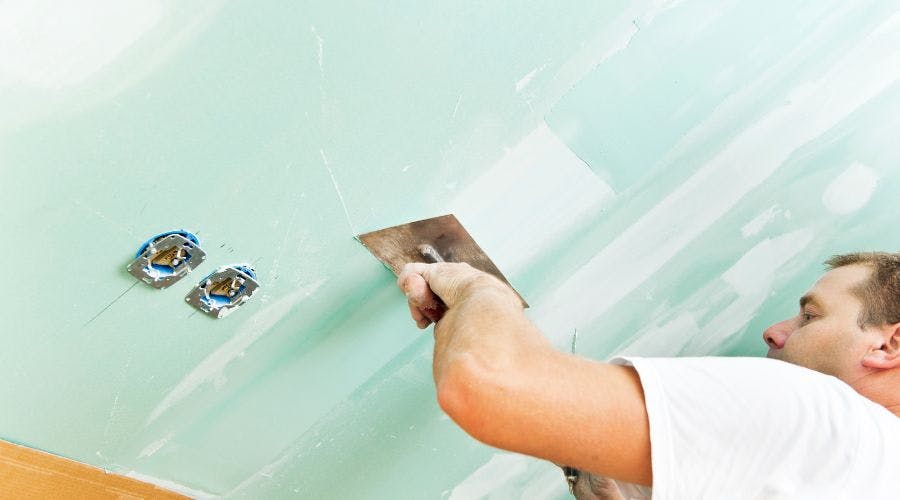
- Covering joins and nail holes with wet plaster or sealing compounds, then smoothing with brushes and sandpaper
- Installing acoustic walls and sound treatments
- Preparing corner beading, panel mouldings, ceiling centres and decorative fibrous work
- Rendering exterior walls and applying decorative finishes
- Preparing surfaces by cleaning, repairing cracks and priming before applying plaster
How Long is a Plastering Apprenticeship?
A plastering apprenticeship typically takes four years to complete.
You'll be paid to work and gain hands-on experience under qualified plasterers, alongside studying for a nationally accredited qualification at TAFE or a Registered Training Organisation. Common qualifications include:
- CPC31020 Certificate III in Solid Plastering (focused on traditional wet plaster, rendering and decorative work)
- CPC31420 Certificate III in Wall and Ceiling Lining (focused on plasterboard installation and drywall systems)
The right qualification depends on your host employer's specialisation and the kind of work you'll be doing.
Skills and Requirements
Plastering rewards a particular blend of practical skill, attention to detail and physical capability. Successful apprentices share these attributes:
- Practical skills: A genuine enjoyment of hands-on, manual work in a workshop or on-site environment
- Attention to detail: Precision matters. Plastering is a finishing trade where surface quality is what the client sees and judges
- Spatial awareness: Visualising layouts, finishes and how surfaces tie together is central to the trade
- Physical fitness: The job involves lifting plasterboard sheets, working overhead, climbing scaffolding and standing for long periods
- No skin or dust allergies: Daily exposure to plaster, gypsum, dust and chemical additives is unavoidable in this trade
Career Pathways After Your Apprenticeship
A plastering qualification opens doors across construction and finishing trades, including:
- Residential plastering and rendering
- Commercial fit-out and refurbishment
- Plasterboard installation and drywall systems
- Decorative and ornamental plasterwork
- Heritage and restoration plastering
- Acoustic wall and ceiling treatments
- Texture coating and external rendering
- Site supervision, project management and contracting
- Self-employment as a plastering contractor or business owner
- Estimating and quantity surveying (with further study)
Plasterers are consistently in demand across new builds, renovations and commercial projects. Many qualified plasterers go on to start their own businesses within a few years of completing their apprenticeship.
Find a Plastering Apprenticeship
To find construction trade apprenticeships including plastering, visit the MIGAS Jobs Board.