Data and Voice Communications Apprenticeship
A Data and Voice Communications Apprenticeship is a paid, nationally recognised training pathway that prepares you to install, maintain and repair the communication systems that connect Australia's homes, businesses and infrastructure.
Apprentices train for around four years on the job while completing the UEE30425 Certificate III in Data and Voice Communications.
Often known as a telecommunications apprenticeship, this specialist electrical pathway covers everything from telephone and data networks to broadband, fibre optic and copper cabling. Apprentices learn to work with networking hardware, troubleshoot communication faults and keep critical infrastructure running across telecommunications, IT, construction, mining and the rapidly growing new energy sector.
It's a tech-focused trade with strong career prospects, broad industry application, and real opportunities in emerging fields like fibre rollout, 5G infrastructure and renewable energy networks.
What Does a Data and Voice Communications Technician Do?
Data and voice communications technicians install, configure and maintain the systems that carry voice, data and broadband signals across networks. The work spans residential cabling, commercial network installations, large-scale telecommunications infrastructure and specialist cabling for industries like mining and renewables.
Day-to-day work can include:
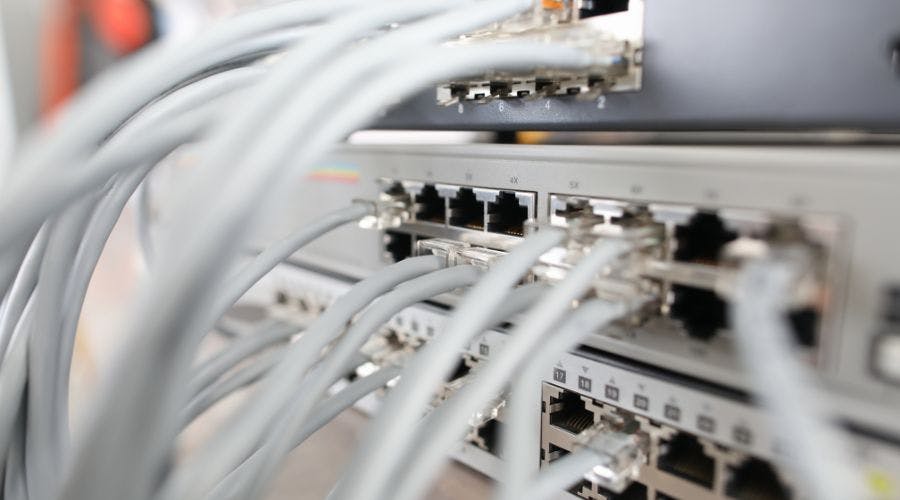
- Installing and configuring voice and data communication equipment, including running cables (fibre optic, coaxial and copper), and setting up routers, switches and other networking devices
- Maintaining communication systems to ensure they're functioning correctly, including diagnosing and fixing network faults
- Diagnosing and repairing breakdowns and system failures by replacing faulty hardware or reconfiguring software settings
- Upgrading existing systems to newer technologies, such as replacing older cabling with fibre optic for faster data transmission
- Testing and certifying cabling installations to industry standards
- Reading technical drawings and network diagrams
- Working alongside electricians, network engineers and IT specialists on complex projects
Career outcomes from this apprenticeship include Telecommunications Technician, Cable Jointer, Linesworker, Line Mechanic and Cabler.
How Long is a Data and Voice Communications Apprenticeship?
A data and voice communications apprenticeship typically takes four years to complete. You'll work and earn while gaining hands-on experience under qualified technicians, alongside studying for your UEE30425 Certificate III in Data and Voice Communications at TAFE or a Registered Training Organisation.
This qualification appears on the Government's Australian Apprenticeships Priority List, which means eligible apprentices can access financial incentives. Additional support payments are available for data and voice communications apprentices working in the new energy sector.
Depending on the type of work and your state or territory, you may also need to register for an ACMA Cabling Registration, which is legally required to perform telecommunications cabling work in Australia.
Communications Technician Salary
A qualified telecommunications technician in Australia in 2026 typically earns between $90,000 to $110,000, with higher salaries available depending on industry, location and specialisation. (Seek)
Data and Voice Communications Apprentice Wages
As a data and voice communications apprentice, you'll typically be paid under the Electrical, Electronic and Communications Contracting Award or an EBA provided by your employer. Apprentice wages increase each year as you progress through your apprenticeship and gain additional technical skills and industry experience.
Your weekly pay may vary depending on factors such as whether you've completed Year 12, whether you're an adult apprentice, any EBA conditions, employer or host benefits, and relevant government support.
Indicative Award wages for a data and voice communications apprentice as at 1 July 2026, ranging from 1st year to 4th year:
- Junior apprentice, did not complete Year 12: $622.72 to $1,006.97 per week
- Junior apprentice, completed Year 12: $682.76 to $1,006.97 per week
- Adult apprentice (21 years and over): $982.95 to $1,098.29 per week
(Source: Fair Work Ombudsman Pay Guide MA000025)
These minimum Award rates include applicable industry, tool and licence allowances. Depending on the employer and type of communications work performed, additional payments such as overtime, travel allowances and site-based penalties may also apply. Read more in our 2026-27 Apprentice Wages Guide.
Skills and Requirements
A data and voice communications apprenticeship suits people who are tech-savvy, hands-on, and enjoy solving problems in an evolving industry. Successful apprentices share these attributes:
- Communication skills: You'll work closely with clients, supervisors and other tradespeople, so being able to explain technical issues clearly is important
- Problem-solving skills: Diagnosing network faults and connection issues calls for analytical thinking and a methodical approach
- Attention to detail: Cabling, terminations and configurations all need to be done precisely for systems to work reliably
- Safety awareness: Working with cabling, networking equipment and infrastructure requires strict adherence to safety protocols
- Technical aptitude: A natural interest in how networks, devices and communication systems work helps you progress quickly
- Manual dexterity: Terminating cables, working with small connectors and using precision tools all rely on steady hand skills
Most employers and Registered Training Organisations expect candidates to have completed Year 12 with passes in English and Maths.
Career Pathways After Your Apprenticeship
A data and voice communications qualification opens doors across telecommunications and adjacent industries, including:
- Network and infrastructure cabling
- Fibre optic specialist work
- Telecommunications and 5G infrastructure
- Data centre cabling and infrastructure
- New energy sector communications (solar, wind, battery storage)
- Mining and resources communications
- Network testing and certification
- Cable jointing and lines work
- Site supervision, project management and contracting
- Self-employment as a registered cabler
Few trades give you access to as many emerging industries as data and voice communications. The same qualification can take you from a residential fibre rollout to a renewable energy site to a critical data centre.
Find a Data and Voice Communications Apprenticeship
Start your career in the telecommunications industry with this and other electrical apprenticeships at MIGAS. Browse our Jobs Board for current roles, or register with us to receive updates when new positions are added.