Electrical Fitter Apprenticeship
An Electrical Fitter Apprenticeship is a paid, nationally recognised training pathway that prepares you to assemble, install, maintain and repair complex electrical systems and machinery in industrial and manufacturing settings.
Apprentices train for three to four years on the job while completing the UEE33020 Certificate III in Electrical Fitting.
Electrical fitters, sometimes called Electrical Fitter Mechanics, are skilled tradespeople who work on the development and maintenance of major electrical infrastructure. This includes wiring between electrical components, control panels, switchboards and the heavy machinery used in industries like mining, manufacturing, power generation and rail.
It's a technical, problem-solving trade with strong wages, broad industry demand, and clear pathways into specialisations like switchboard building, armature winding and electrical instrument fitting.
What Does an Electrical Fitter Do?
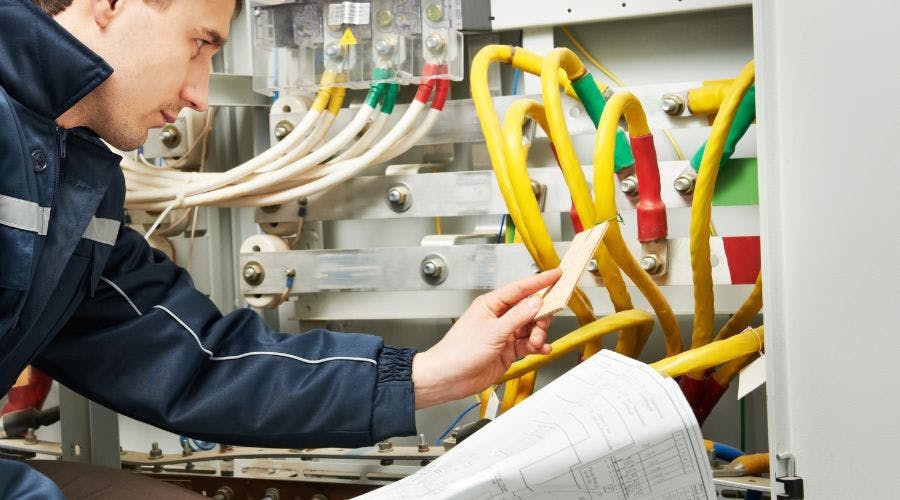
Electrical fitters specialise in assembling, installing and maintaining electrical systems and machinery used across industrial and manufacturing settings. The role combines hands-on work with problem-solving and collaboration with other tradespeople and engineers.
Day-to-day work can include:
- Reviewing job specifications, blueprints and electrical schematics
- Assembling, installing and testing electrical equipment, machinery and systems
- Installing and maintaining switchboards, control panels and distribution boards
- Installing and maintaining motors, generators and rotating equipment
- Connecting and testing electrical wiring and cabling
- Working with programmable logic controllers (PLCs) and automation systems
- Troubleshooting and diagnosing faults, then implementing fixes
- Conducting routine maintenance and inspections to ensure systems run safely and efficiently
- Maintaining accurate records of repairs, modifications and upgrades
- Collaborating with electricians, mechanics, engineers and other tradespeople on complex projects
A career as an electrical fitter can lead to specialisations like switchboard building, armature winding, or electrical instrument fitting, where you'd test, repair and maintain the electrical measuring equipment used across industry.
How Long is an Electrical Fitter Apprenticeship?
An electrical fitter apprenticeship typically takes four years to complete.
You'll be paid to work and gain hands-on experience under qualified electrical fitters, while studying for your UEE33020 Certificate III in Electrical Fitting at TAFE or a Registered Training Organisation.
Depending on the scope of work and your state or territory, you may also need to apply for an electrical licence on completion of your apprenticeship. Licensing is regulated state by state through the relevant authority.
Electrical Fitter Salary
A qualified electrical fitter in Australia in 2026 earns an average of around $100,000 per year, with experienced tradespeople in mining, resources and FIFO roles often earning considerably more. (Jora)
Electrical Fitter Apprentice Wages
As an apprentice electrical fitter, you'll typically be paid under the Electrical, Electronic and Communications Contracting Award or an EBA provided by your employer. Apprentice wages increase each year as you progress through your apprenticeship and gain additional skills and experience.
Your weekly pay may vary depending on factors such as whether you've completed Year 12, whether you're an adult apprentice, any EBA conditions, employer or host benefits, and relevant government support.
Indicative weekly Award wages for an electrical fitter apprentice as at 1 July 2026, ranging from 1st year (lowest) to 4th year (highest):
- Junior apprentice, did not complete Year 12: $622.72 to $1,006.97 per week
- Junior apprentice, completed Year 12: $682.76 to $1,006.97 per week
- Adult apprentice (21 years and over): $982.95 to $1,098.29 per week
(Source: Fair Work Ombudsman Pay Guide MA000025)
These minimum Award rates include applicable industry, tool and electrician's licence allowances. Depending on the employer and work environment, additional payments such as overtime, site allowances and shift penalties may also apply. Read more in our 2026-27 Apprentice Wages Guide.
Skills and Requirements
Electrical fitting is a technical trade that rewards a particular combination of skills and personal qualities:
- Technical skills: A strong understanding of electrical systems, equipment and machinery, with the ability to read and interpret technical diagrams, schematics and electrical codes
- Problem-solving skills: Diagnosing faults in complex electrical systems calls for analytical thinking and creative approaches to fixing issues
- Attention to detail: Precision and accuracy are essential when installing and maintaining electrical systems, where small errors can have significant consequences
- Physical fitness: Good stamina and comfort working in confined spaces, at heights and lifting heavy equipment are part of the job
- Safety consciousness: Working with high-voltage equipment and complex industrial systems demands strict adherence to safety protocols
- Communication skills: Collaborating with electricians, mechanics, engineers and other tradespeople is a daily part of the role
Most employers and Registered Training Organisations expect candidates to have completed Year 12 with passes in English and Maths.
Career Pathways After Your Apprenticeship
An electrical fitter qualification opens doors across heavy industry and specialist electrical work, including:
- Switchboard building and design
- Armature winding and motor rewinding
- Electrical instrument fitting and calibration
- Mining, oil and gas
- Rail and transport infrastructure
- Power generation and distribution
- Industrial automation and PLC programming
- High voltage electrical work
- Site supervision, project management and contracting
- Self-employment as a specialist contractor
A trade qualification gives you something employers genuinely value: proven, hands-on capability. That foundation tends to open doors for the rest of your career.
Find an Electrical Fitter Apprenticeship
Looking for a challenging and fulfilling career in the electrical industry? If you are a problem-solver with a strong technical aptitude, an electrical fitting apprenticeship could be the right fit for you.