Heavy Vehicle Mechanic Apprenticeship
A Heavy Vehicle Mechanic Apprenticeship is a paid, nationally accredited training pathway that prepares you to repair, maintain and overhaul the engines, components and systems of large vehicles and industrial machinery.
Apprentices train for around four years on the job while completing a qualification such as the AUR31120 Certificate III in Heavy Commercial Vehicle Mechanical Technology.
Heavy vehicle mechanics work on everything from mobile cranes and drilling rigs to trucks, bulldozers, buses and specialised agricultural or mining machinery. The trade is essential to the transport, construction, mining and agriculture industries that keep the Australian economy moving.
It's a hands-on, problem-solving trade with strong wages, broad industry demand, and clear pathways into specialisations like diesel fitting, road transport maintenance and heavy mobile equipment.
What Does a Heavy Vehicle Mechanic Do?
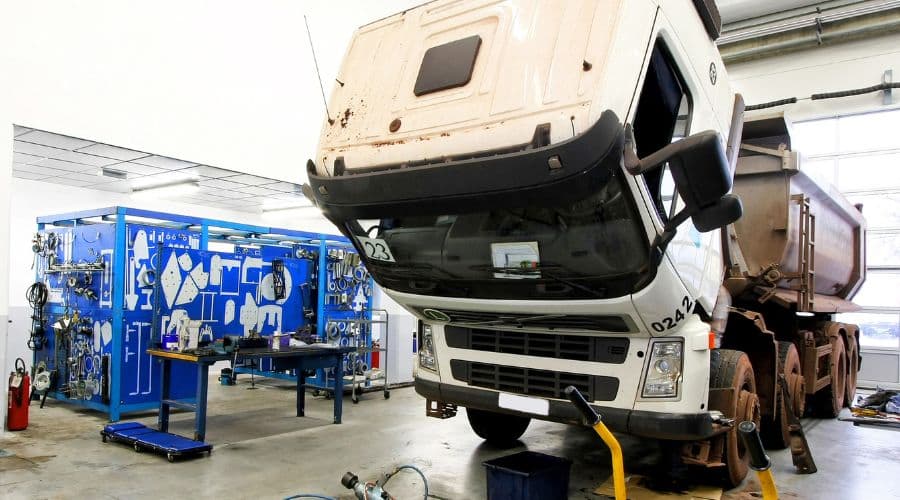
Heavy vehicle mechanics specialise in maintaining, repairing and overhauling heavy vehicles and industrial equipment. The role spans a wide range of machinery used across transport, construction, mining and other industries, including trucks, buses, bulldozers, cranes, agricultural equipment and stationary engines like generators, pumps and compressors.
Day-to-day work can include:
- Maintenance and repair: Conducting regular maintenance checks, diagnosing mechanical problems, and performing repairs such as oil changes, battery checks, engine repairs and brake systems
- Inspection and testing: Carrying out detailed inspections to ensure heavy vehicles meet safety and efficiency standards, using diagnostic equipment to identify issues and verify repairs
- Overhauling and rebuilding: Completely overhauling or rebuilding engines, transmissions and other major components when wear or damage goes beyond simple repair
- Diagnostics: Using computer-based diagnostic tools to identify electronic, hydraulic and mechanical faults
- Roadworthy assessments: Inspecting vehicles for compliance with state and national heavy vehicle standards
- Working on hydraulic, pneumatic and electrical systems that drive modern heavy vehicles
Career outcomes can include working for government bodies maintaining bus and transport fleets, joining a national road transport company managing roadworthy assessments, or subcontracting to mining or construction companies repairing and maintaining heavy plant equipment.
If you are more interested in car engines, consider a Light Vehicle Mechanic Apprenticeship.
How Long is a Heavy Vehicle Mechanic Apprenticeship?
A heavy vehicle mechanic apprenticeship typically takes four years to complete.
You'll be paid to work and gain hands-on experience under qualified mechanics, alongside studying for a nationally accredited qualification at TAFE or a Registered Training Organisation.
Common qualifications include:
- AUR31120 Certificate III in Heavy Commercial Vehicle Mechanical Technology
- AUR31820 Certificate III in Heavy Commercial Trailer Technology
- AUM30226 Certificate III in Automotive Manufacturing Technical Operations – Bus, Truck and Trailer
The right qualification depends on your host employer's industry and the kind of vehicles or equipment you'll be working on.
Heavy Vehicle Mechanic Salary
In 2026, qualified heavy vehicle mechanics in Australia typically earn between $85,000 and $105,000 per year, with higher salaries common in mining, diesel fitting, mobile plant and FIFO maintenance roles. (Seek)
Heavy Vehicle Mechanic Apprentice Wages
As a heavy vehicle mechanic apprentice, you'll typically be paid under the Vehicle Repair, Services and Retail Award or an EBA provided by your employer. Apprentice wages increase each year as you progress through your apprenticeship and gain more practical workshop and field experience.
Your weekly pay can vary depending on factors such as whether you've completed Year 12, whether you're an adult apprentice, any EBA conditions, employer or host benefits, and relevant government support.
Indicative weekly Award wages for a heavy vehicle apprentice as at 1 July 2026, ranging from 1st year to 4th year:
- Junior apprentice, did not complete Year 12: $559.55 to $984.81 per week
- Junior apprentice, completed Year 12: $615.51 to $984.81 per week
- Adult apprentice (21 years and over): $895.28 to $1,029.10 per week
(Source: Fair Work Ombudsman Pay Guide MA000089)
These figures reflect minimum Award pay rates for automotive apprenticeships. Depending on the employer and industry sector, additional payments such as tool allowances, overtime, site allowances and penalty rates may also apply. Read more in our 2026-27 Apprentice Wages Guide.
Skills and Requirements
A heavy vehicle mechanic apprenticeship rewards a love of engines and a commitment to working to high quality standards. Successful apprentices share these attributes:
Mechanical aptitude: A natural curiosity about how engines and machinery work, with the instinct to troubleshoot when something goes wrong
Practical skills: A genuine enjoyment of hands-on, manual work, often in workshop, yard or site environments
Maths skills: Calculations, measurements and interpreting technical information are part of the daily work
Problem-solving ability: Diagnosing faults in complex mechanical, hydraulic and electronic systems calls for analytical thinking
Physical fitness: The job involves lifting heavy components, working in awkward positions and standing for long periods
No skin allergies: Daily exposure to grease, oil, fuel and lubricants is unavoidable in this trade
Career Pathways After Your Apprenticeship
A heavy vehicle mechanic qualification opens doors across some of Australia's largest industries, including:
- Mining, resources and FIFO contracting
- Road transport and trucking
- Bus and public transport maintenance
- Agricultural machinery
- Construction and earthmoving equipment
- Defence vehicle maintenance
- Diesel fitting and specialisation in heavy diesel engines
- Heavy mobile equipment (HME) for mine sites
- Workshop supervision, project management and contracting
- Self-employment as a mobile mechanic or contractor
Most heavy vehicle mechanics find their niche within a few years of qualifying, picking up specialised skills and certifications that match the equipment and industries they enjoy working on.
Find a Heavy Vehicle Mechanic Apprenticeship
MIGAS can match you with a quality host employer and support you through your heavy vehicle mechanics apprenticeship. Browse the MIGAS Jobs Board for current roles in automotive trades, or register with us to receive updates when new positions are added.