Light Vehicle Mechanic Apprenticeship
A Light Vehicle Mechanic Apprenticeship is a paid, nationally accredited training pathway that prepares you to service, repair and overhaul cars, vans, small trucks and other light motor vehicles.
Apprentices train for around four years on the job while completing a qualification such as the AUR30620 Certificate III in Light Vehicle Mechanical Technology.
Light vehicle mechanics work across motor dealerships, independent workshops, specialist performance and motorsport shops, and fleet maintenance operations. The trade is evolving fast, with electric vehicles, hybrid systems and advanced driver assistance technology reshaping what mechanics work on day to day.
It's a hands-on, problem-solving trade with strong demand, a clear pathway to specialisation, and the option to own and operate your own workshop one day.
What Does a Light Vehicle Mechanic Do?
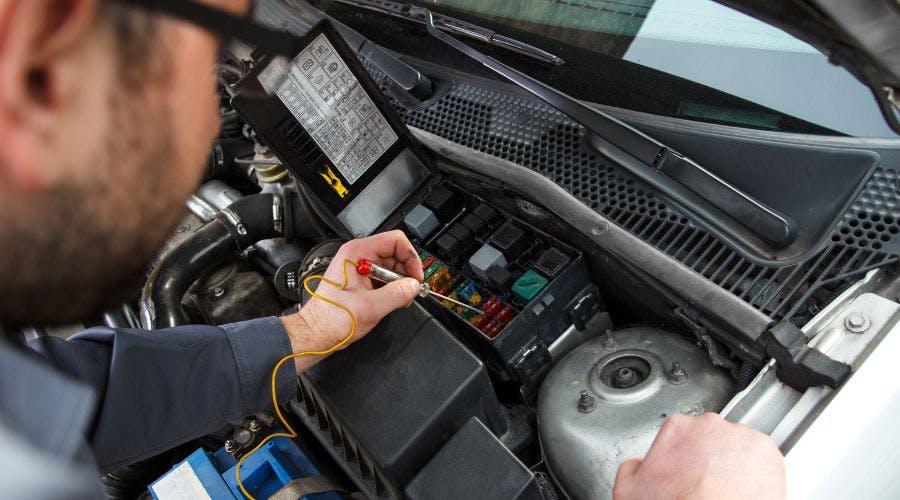
Light vehicle mechanics specialise in the maintenance, repair and servicing of cars, vans and small trucks. The role combines diagnostic skills with practical mechanical work, and increasingly involves working with electronics, computer systems and emerging vehicle technologies.
Day-to-day work can include:
- Diagnosing and repairing mechanical, electrical and electronic faults
- Performing routine services and scheduled maintenance
- Servicing engines, transmissions, suspension and braking systems
- Carrying out roadworthy and safety inspections
- Replacing worn or damaged components
- Working with computer-based diagnostic tools to identify faults
- Servicing emerging vehicle technologies including hybrid and electric drivetrains
- Communicating with customers about repairs, costs and timelines
Innovations in motorsport and automotive engineering have flowed through to everyday vehicles, driving improvements in fuel efficiency, suspension technology and emissions control. The skills required of mechanics are broader than ever, but they remain grounded in traditional mechanical fundamentals.
If large trucks and engines are more your style, you might prefer a Heavy Vehicle Mechanic Apprenticeship.
How Long is a Light Vehicle Mechanic Apprenticeship?
A light vehicle mechanic apprenticeship typically takes up to four years to complete.
You'll be paid to work and gain hands-on experience under qualified mechanics, alongside studying for a nationally accredited qualification at TAFE or a Registered Training Organisation. Common qualifications include:
- AUR30620 Certificate III in Light Vehicle Mechanical Technology
- AUR30320 Certificate III in Automotive Electrical Technology
- MSM31022 Certificate III in Recreational Vehicle Service and Repair
The right qualification depends on your host employer and the kind of vehicles you'll be working on.
Light Vehicle Mechanic Salary
A qualified light vehicle mechanic in Australia in 2026 typically earns between $80,000 and $90,000 per year, with higher salaries available for experienced technicians specialising in performance vehicles, prestige brands, diagnostics and EV technology. (Seek)
Light Vehicle Mechanic Apprentice Wages
As a light vehicle mechanic apprentice, you'll usually be paid under the Vehicle Repair, Services and Retail Award or an EBA provided by your employer. Apprentice wages increase each year as you progress through your apprenticeship and develop more advanced automotive repair and diagnostic skills.
Your weekly pay can vary depending on factors such as whether you've completed Year 12, whether you're an adult apprentice, any EBA conditions, employer or host benefits, and relevant government support.
Indicative weekly Award wages for a light vehicle apprentice as at 1 July 2026, ranging from 1st year to 4th year:
- Junior apprentice, did not complete Year 12: $559.55 to $984.81 per week
- Junior apprentice, completed Year 12: $615.51 to $984.81 per week
- Adult apprentice (21 years and over): $895.28 to $1,029.10 per week
(Source: Fair Work Ombudsman Pay Guide MA000089)
These minimum Award rates apply to automotive apprenticeships under standard industry conditions. Depending on the employer and workshop environment, apprentices may also receive additional payments such as overtime, tool allowances and productivity bonuses. Read more in our 2026-27 Apprentice Wages Guide.
Skills and Requirements
A love of engines is the best place to start, but a successful light vehicle mechanic apprentice also needs:
- Mechanical aptitude: A natural feel for how engines and vehicle systems work, paired with the curiosity to keep learning
- Practical skills: A genuine enjoyment of hands-on, manual work in a workshop environment
- Problem-solving ability: Diagnosing faults often involves working through complex electronic, mechanical and software issues to find the cause
- Diagnostic skills: Modern vehicles rely heavily on computer systems, so confidence reading data and using diagnostic tools is essential
- Attention to detail: Precision matters. Small errors in servicing can lead to safety issues or expensive repairs down the line
- Communication skills: You'll often deal directly with customers, so being able to explain technical issues clearly is part of the job
Career Pathways After Your Apprenticeship
A light vehicle mechanic qualification opens doors across the automotive industry and beyond, including:
- Independent and franchise workshops
- Motor dealership service centres
- Performance and motorsport workshops
- Prestige and European vehicle specialists
- EV and hybrid vehicle servicing
- Fleet maintenance and vehicle inspection
- Roadside assistance
- Auto electrical specialisation
- Workshop supervision and service management
- Self-employment as a mobile mechanic or workshop owner
The trade is changing rapidly with the rise of EVs, hybrid systems and connected vehicles. Mechanics who keep building their skills in these areas are well placed for the next decade.
Find a Light Vehicle Mechanic Apprenticeship
Get started in a Light Vehicle Mechanic Apprenticeship by visiting our Jobs Board for current roles, or register with us to receive updates when new positions are added.