What 1st Year Apprentices Get Paid: 2025-2026 Award Wages Guide
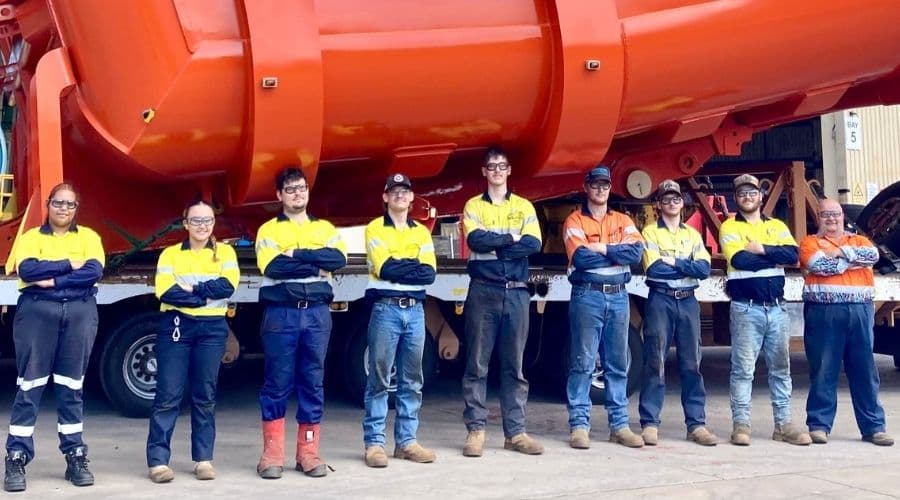
Thinking about becoming an apprentice is exciting, but we totally get that money matters. One of the biggest things on your mind right now is probably how much you'll actually earn.
Starting an apprenticeship is a big decision, especially when you're not sure if apprentice wages will cover your living expenses. The good news is that you definitely can make it work, and we're here to show you exactly what to expect.
This guide has all the latest info on apprentice pay rates for the 2025-26 financial year (1 July 2025 to 30 June 2026), based on Modern Awards determined by the Australian Government's Fair Work Ombudsman.
Update: View 2026-27 Apprentice Wages in our new guide from 1 July 2026.
Getting Paid While You Learn
Here's the cool thing about apprenticeships: you actually get paid while you're learning your trade. Compare that to uni, where you're racking up student debt and probably working a part-time job just to survive.
Sure, you won't be earning as much as someone who's been doing the job for 10 years. But think about it this way, you're getting paid to become really good at something that could set you up for life. Plus your pay goes up every year as you get better at your job.
There are also plenty of resources and financial support available for apprentices.
The Real Deal on Apprentice Pay
Most first-year apprentices get paid according to something called Modern Awards. These are basically the minimum amounts your boss has to pay you based on your chosen trade, and they get updated every year by the government.
Your pay will usually increase each year of your trade apprenticeship (which typically takes 3-4 years), so you're not stuck on the same wage forever.
Before we dive into the numbers, here's what you need to know:
- The figures we're showing you are the absolute minimum you should be paid as a full-time first-year apprentice.
- Some employers pay more than the Award minimum or under an enterprise bargaining arrangement (EBA), which means higher wages.
- How much you get paid depends on a few things: your age when you start, whether you finished Year 12, and what trade you're doing.
- You might get extra money for working weekends, nights, or overtime just like other workers.
- Some high priority apprenticeships come with government support payments to help with your living expenses.
- Some companies offer extra perks like scholarships or awards for their best apprentices. (Like MIGAS’s own MiScholarship Program.)
Remember: Since this article presents the minimum Award wages expected for first year apprentices in FY26, individual circumstances may result in greater earnings. Some host employers choose to pay above Award wages, or under an Enterprise Bargaining Agreement (EBA). This will be discussed with you as part of the apprenticeship recruitment process.
Disclaimer: Our payroll specialists have reviewed this information, but it represents general guidance only. For the most precise and detailed apprentice wage calculations, covering base rates, allowances, and penalty payments, always consult the Fair Work Ombudsman's Pay and Conditions Tool.
Full-Time First Year Apprentice Wages Under Modern Awards in FY26
For the period 1 July 2025 to 30 June 2026
Apprentice wages are classified into three categories based on whether you've completed Year 12 and whether you're an adult apprentice when you commence:
- Junior apprentice who did not complete Year 12
- Junior apprentice who completed Year 12
- Adult apprentice (21 years and over at commencement)
Some Awards also include a separate rate for apprentices under 17, but most apprentices fall into the three categories above.
Note: These figures are now out of date. View How Much Do Apprentices Get Paid? 2026-27 Wages Guide for wages from 1 July 2026.
Starting Your Trade Apprenticeship Journey
Getting into a trade apprenticeship is one of the smartest investments you can make for your future. The starting wages might seem a bit low at first, but the career opportunities and earning potential in trades are seriously impressive and keep getting better.
The job market for tradies in Australia is booming. Nearly all apprentices (we're talking about 95% or more) land a job straight after they finish their training. Many of them even get hired by the same company where they did their apprenticeship, which means you already know the team and they know your work.
MIGAS Apprentices & Trainees focuses on finding and placing apprentices in Engineering, Electrical, Automotive and Construction trades. We know these industries inside out and can help match you with the right opportunity.
Check out trade apprenticeship specialisations and browse our Jobs Board to see what's available right now.